Ouch! What I found in my Survival Kit!

As a part of National Preparedness Month, we’re going to be staffing a table at a neighborhood preparedness faire. So I pulled out of my car the emergency kit I had first put together after my Community Emergency Response Team (CERT) training.

Don’t use these!
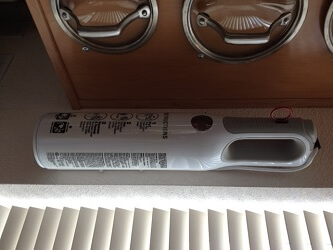
Look at the photo and you’ll see some of the yucky things I found!
* Corroded batteries in my flashlight! (Upper right arrow) The kit actually has two flashlights in it. One was the high-tech model (from Sharper Image, no less) that holds AA batteries. Look closely and you’ll see the totally blown-out end of one of them! We find that batteries need to be replaced every 6 months if they are in a light or radio.
* Dried up and useless first aid items! On the left in the photo you can see the shriveled up antiseptic wipes and the stained band aid packages. Although they had been stored in a plastic bag, not one of them was usable.
* Melted and leaking pens! CERT training reminds you to have a way to write on a door when you’ve searched the room, write on a piece of tape to label someone, or write right on their skin. We assembled a variety of writing implements for these purposes, including crayons and permanent markers. Again, stored in a plastic bag, they melted and leaked. I could hardly get that one crayon out to be able to photograph it!
What’s the state of your Survival Kit? How about your CERT bag? (These are two different things, of course. Survival Kit is to help you; CERT bag is to help others.) Consider setting up a schedule to update and refresh your kits.
Use the twice-a-year time Daylight Savings Time change as an update reminder.
In addition to replacing old items, here are a couple of other suggestions for keeping your kit ready for use:
1. Best battery solution. Store batteries in a bag taped to the flashlight or radio. Whereas they seem to deteriorate quickly when stored INSIDE the device, they keep much longer when stored separately.
2. Rubber gloves. Your CERT kit will have disposable nitrile gloves — the thin rubber kind that your doctor wears – for use in an accident. These gloves are very fragile; replace every six months.
3. Environment. Think about where the kit is kept. I keep my kits in the trunk of my car – where temperatures reach over 100 degrees. Obviously, crayons aren’t going to be happy in this environment.
4. Backpack. If your kit lies in direct sunlight (in your car, for example), the duffle bag or backpack material will deteriorate over time. The first to go on my CERT kit were the carrying straps.
5. Clothing. I have a long-sleeved shirt, a sweatshirt, and hat in my kits. While they don’t deteriorate, a wash and fluff keeps them more usable.
Reviewing and updating your kit takes only a few minutes – less time than it has taken me to write this article! You’ve made the investment – be sure to keep it tuned up.
What have YOU found in unattended survival kits that we should be warned about? Let us know in the comment box below!
Virginia Nicols
Your Emergency Plan Guide Team
 It’s bad enough to weather a storm or ride out an earthquake that leaves you with many thousands of dollars in damage. But, if local power is out, roads are obstructed and you can’t get to your money in the bank, chances are you have bills that are going to go unpaid for some period of time . . . long enough to incur late charges and even serious damage to your credit rating.
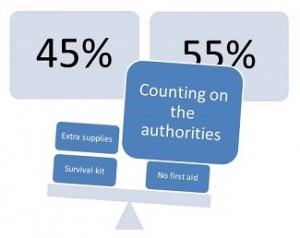 ◊ 48% of Americans don’t have a survival kit or emergency supplies.


 The US Department of Labor has a division called Occupational Safety and Health Administration, otherwise known as OSHA. I’m sure you’ve heard of it!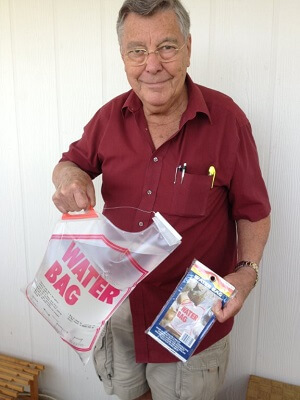

 As we were putting together our recommendations for our custom survival kit, water was clearly the toughest item to store. We looked for a way to improve on the water supply stored in the kit. The first choice was to add a LifeStraw – the one-person water filter that can make found outdoor sources of water drinkable. It costs around $20, and you’ll want one for each member of the family.

 The Home Depot – the place to start